
There are several scientific and home methods to distinguish real saffron from fake. These methods can be divided into several categories:
1. Appearance methods
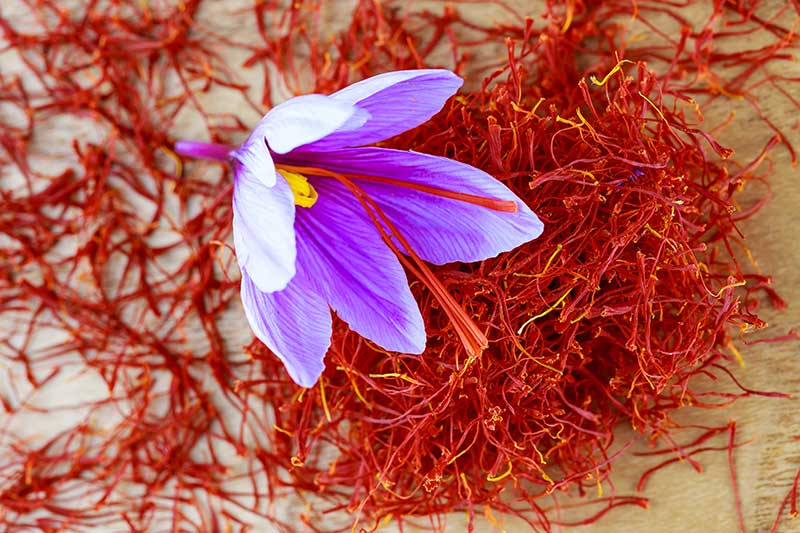
Color and appearance: Genuine saffron usually has dark, uniform red threads with a slightly orange tip. Very light or yellow threads are often fake or dyed.
Shape of threads: Genuine threads are thin, dry but brittle, and not very moist. Thick, soft, or sticky threads may be fake.
Smell: Pure saffron has a pungent, distinctive, and slightly sweet smell. If it smells like other dyes or spices, it is probably fake.
2. Laboratory and chemical methods
Cold water test: Put a few saffron strands in cold water or milk. Real saffron slowly gives off its color to the water and the strands remain almost intact, but dyed saffron gives off color quickly and the strands quickly lose their color or become soft.
Flame test: Hold a saffron strand near a flame. Real saffron is unburned and has a pleasant smell, but fake saffron may smell like plastic or chemicals.
Taste test: Real saffron has a slightly bitter and distinctive taste, but fake saffron is usually tasteless or very sweet.
3. Prevention methods and trust in quality
Buy from reputable stores or brands with standard packaging.
Pay attention to the price: Original saffron is not very cheap.
Check symbols and certificates such as the Health Apple or the National Standard of Iran.
4. The method that is generally used by the world’s kings of saffron, Florinza, is testing with advanced and specialized devices and is carried out with high precision.